Tell us about the job
Takes about a minute. No obligation.
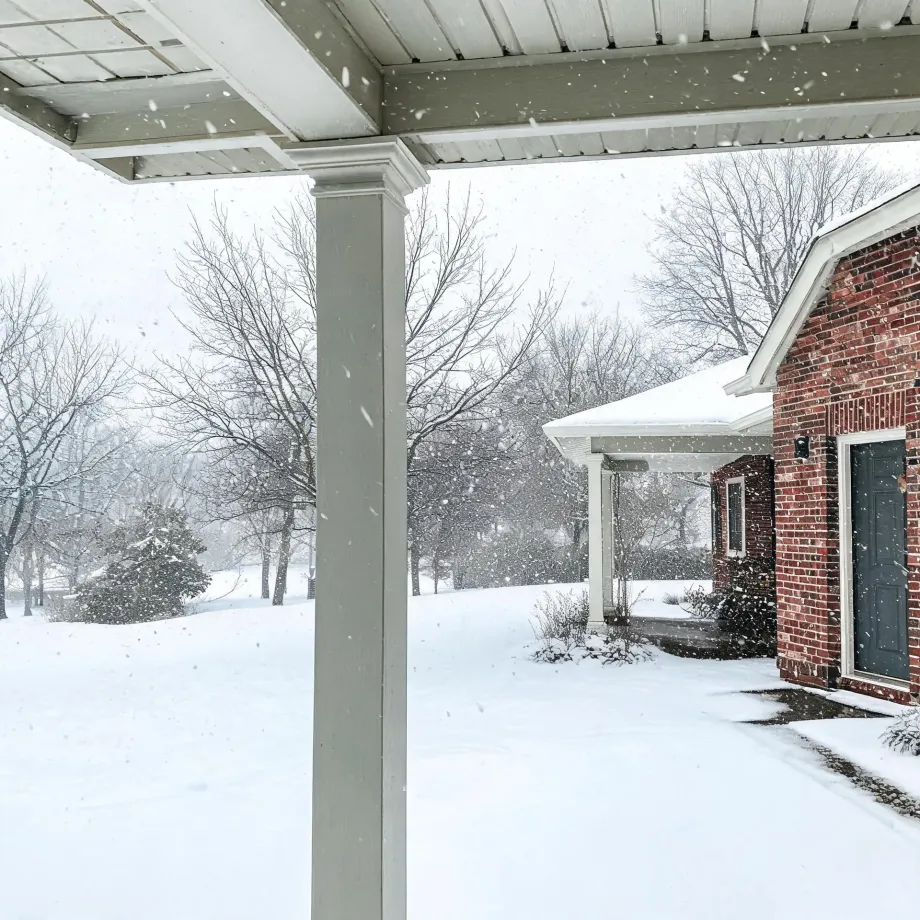
A heat pump running through a long heating season puts its refrigerant circuit, reversing valve, and defrost board through repeated thermal cycling across months when outdoor temperatures regularly challenge the unit's capacity. Homes in Prince George's County, MD run heat about seven months a year, from October through April. When a system starts losing efficiency or tripping on faults in January or February, the defrost controls are often where the contractor starts: they cycle constantly in cold weather and degrade before components that see lighter use. The refrigerant charge also shifts under sustained heating load, and a low charge that would go unnoticed in a mild climate shows up as reduced output when the system is working its hardest.
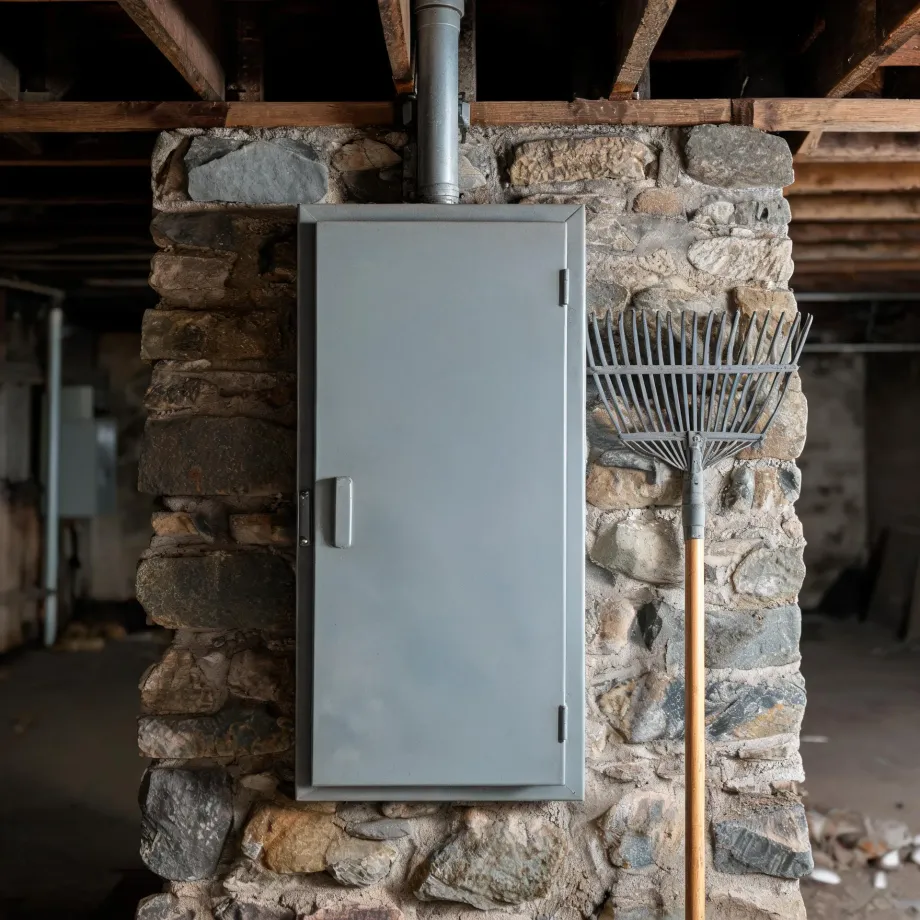
Ductwork laid into a house long before the current heat pump arrived has its own history: joints that have shifted, insulation that has thinned, and sections that were patched around a previous system rather than designed for this one. A contractor opening a heat pump here has to account for what the duct system is delivering to the unit, not just what the unit itself is doing. Half the homes in Prince George's County, Maryland were built in 1977 or earlier (2020-2024 ACS 5-year). That spread of housing age means a malfunctioning heat pump often has a duct-side cause that shows up as an equipment problem until someone measures airflow and static pressure at the unit. Finding that is the repair.
The Parts of a Heat Pump a Contractor Checks First
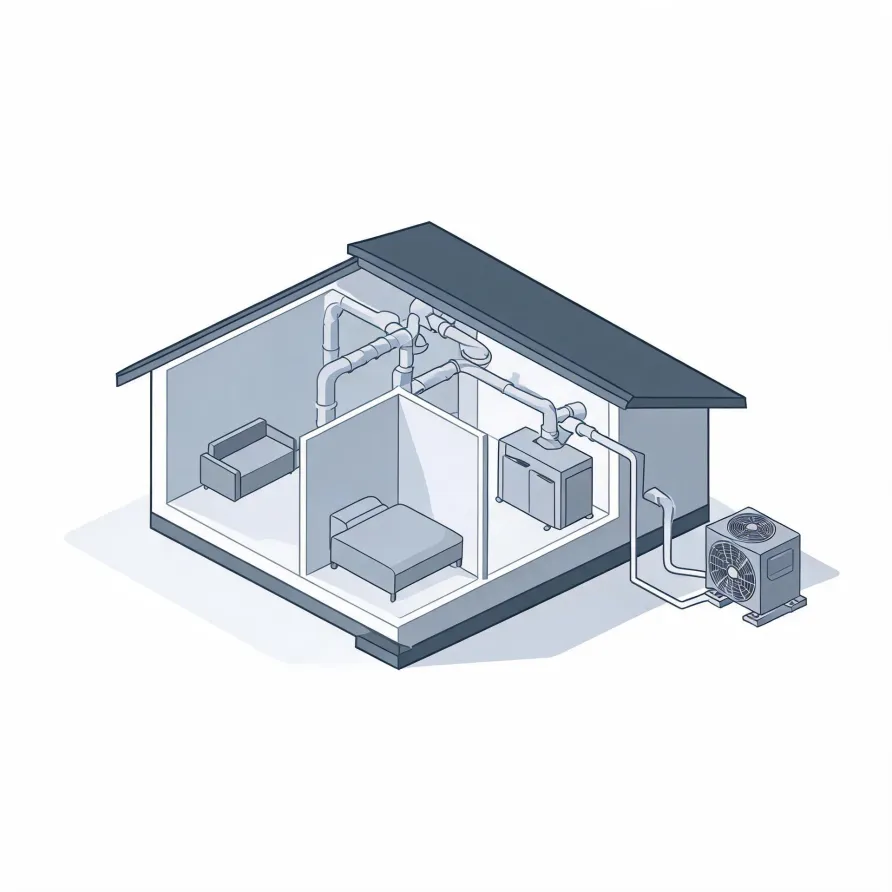
The outdoor unit sits on a pad beside the house and holds the compressor and condenser coil, the two components a contractor reaches for first when a heat pump stops keeping up. The compressor is the heart of the system. When it fails, nothing moves. The condenser coil pulls heat in or pushes it out depending on the season, and bent fins or refrigerant loss show up here.
Inside the house, the air handler contains the evaporator coil and the blower, and between the two units a refrigerant line set and a condensate drain complete the loop. The expansion valve, which sits inside or near the air handler, controls refrigerant flow and is a common source of uneven temperatures or ice buildup on the coil.
The drawing shows a typical layout, and a licensed contractor determines which components apply to the specific system and configuration in your home.
Get matched in Prince George's CountyPrince George's County, by the numbers
251 severe weather events were recorded in Prince George's County, Maryland between 2015 and 2024.
NOAA National Centers for Environmental Information, Storm Events Database, bulk CSV export, events 2015-01-01 through 2024-12-31.Half the homes in Prince George's County, Maryland were built in 1977 or earlier (2020-2024 ACS 5-year).
U.S. Census Bureau, 2020-2024 American Community Survey 5-Year EstimatesPrince George's County, Maryland holds 365,506 housing units (2020-2024 ACS 5-year).
U.S. Census Bureau, 2020-2024 American Community Survey 5-Year EstimatesOwners occupy 62.3% of the occupied homes in Prince George's County, Maryland (2020-2024 ACS 5-year).
U.S. Census Bureau, 2020-2024 American Community Survey 5-Year EstimatesHeat Pump Repair Rules on the Books for Prince George's County, Maryland1 codes, standards & laws
Licensing and Legal Requirements in Prince George's County, Maryland
Maryland requires a state licence before an individual provides, or assists in providing, heating, ventilation, air-conditioning or refrigeration services.
Severe Weather Events in Prince George's County
Extreme weather puts heat pumps under sustained stress, and the harder a system works to keep up, the sooner its components show wear. Repair demand in Prince George's County follows the weather, which makes local conditions a practical part of understanding what drives service needs here.
251 severe weather events, 2015–2024. Source: NOAA National Centers for Environmental Information, Storm Events Database.